Six EU Countries Push Brussels for a Household Appliances Action Plan
France, Germany, Italy, Poland, Slovakia and Spain asked the European Commission on 24 September 2026 to treat household appliances as a strategic industry, citing a drop in EU-made production from 81.3% to 71.4% since 2014.
By CHA News Desk · Updated 28 September 2026
Researched and drafted with AI language-model assistance from cited public sources, per our AI-content disclosure.
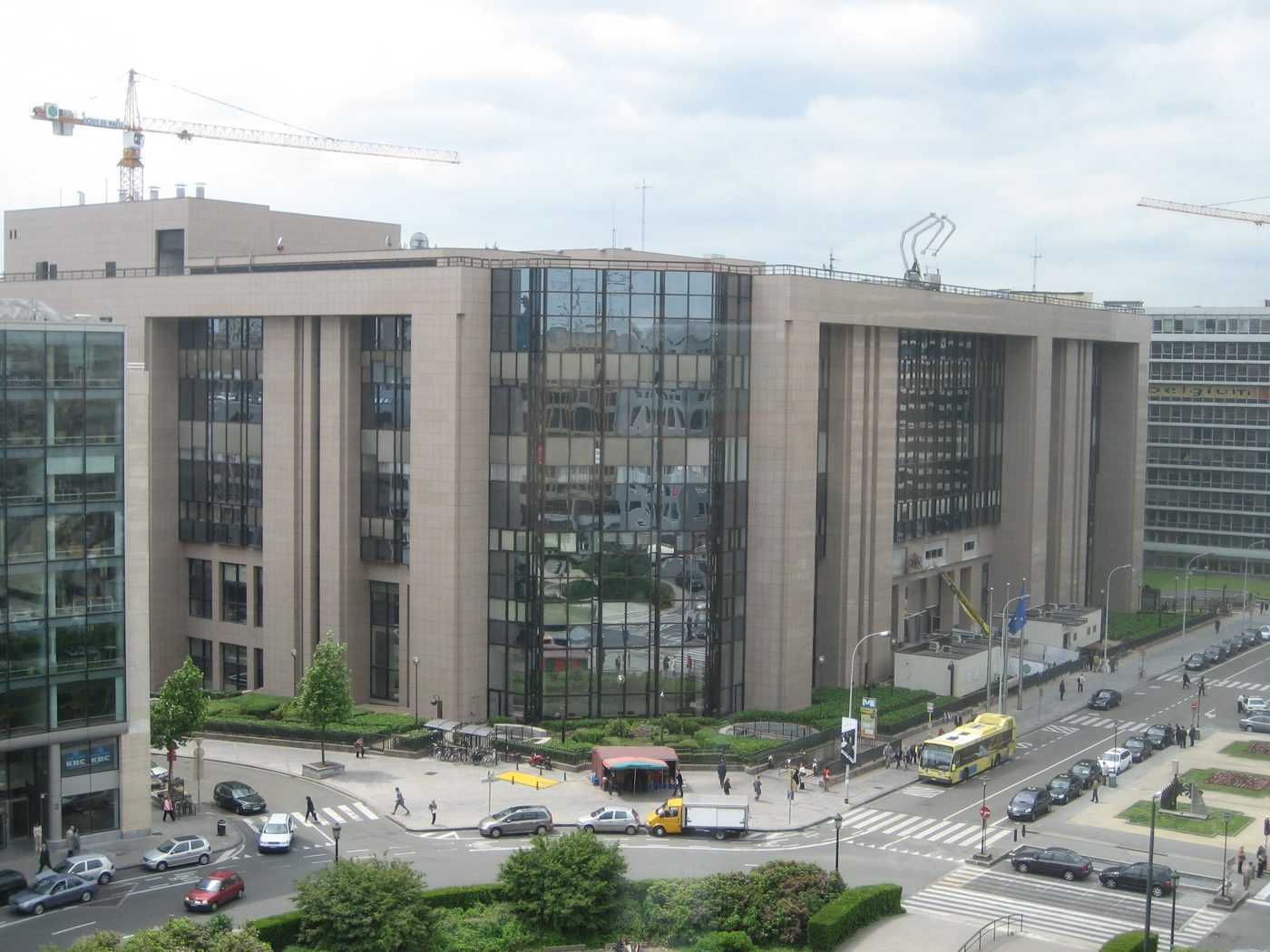
France, Germany, Italy, Poland, Slovakia and Spain jointly asked the European Commission on 24 September 2026 to draw up a dedicated action plan for the household appliances sector, arguing that European-made production has fallen from 81.3% of the EU market in 2014 to 71.4% in 2024. The request, filed as an “Any Other Business” item for that day’s Competitiveness Council meeting, is a policy ask from six national governments, not a new law or regulation.
The six delegations’ own note, published by the Council of the European Union, puts a number on what is at stake: the sector contributes an estimated 79 billion euros to EU GDP, employs 1 million people directly and indirectly, and spans more than 3,200 companies and 130 production plants across the European Economic Area. Over the same decade that EU-made share slipped, the note states, the share of appliances imported from Asia rose from 15.3% to 28.2%.
What are the six countries actually asking for?
The joint note urges the Commission to formally recognise household appliances as a “strategic industrial ecosystem” and to build a plan combining several concrete asks: tighter market surveillance and enforcement so non-compliant imports are caught, clearer transparency about where a product is actually made, more support for the EU’s repair and recycling industry, and easier access to existing EU financial resources for manufacturers. It also calls for the Carbon Border Adjustment Mechanism, the EU’s carbon tariff on select imports, to be reviewed regularly for extension to more downstream products, which could eventually mean a carbon-related charge on more imported appliances or components.
The note attributes the industry’s pressure to a mix of soaring energy costs, rising input prices and what it calls unfair competition from third-country producers, and says these have already triggered plant closures in multiple member states.
Why it matters for shoppers, not just manufacturers
None of this changes a purchase decision today. No new rule has been adopted, no tariff has changed, and no product currently for sale is affected. But the direction is worth watching for two practical reasons. First, a market-surveillance push aimed at “unfair competition from third-country producers” could eventually mean more scrutiny of budget imported appliances sold in the EU, which is the kind of enforcement that has previously surfaced mislabelled energy classes and non-compliant products on this site’s own EU/German-regulator research. Second, a CBAM extension into appliance components is the same mechanism already applied to steel and aluminium; if it is ever extended downstream, it would show up as a cost pressure on appliances that use a lot of those materials, most obviously large fridges, washing machines and ovens with significant steel content.
The request also underlines something worth remembering when comparing brands: the EU’s own figures say more than a quarter of appliances sold here already come from outside Europe, a share that has nearly doubled in a decade, so origin is a moving target rather than a fixed brand trait.
What happens next
The Council’s own document frames this as information shared at the Competitiveness Council, inviting the Commission and other member states “to take note of the information on the way forward.” That is a request to start a process, not an announced timeline. If the Commission responds with an actual proposal, whether on market surveillance, origin labelling or CBAM scope, it will carry real consequences for the refrigerators, washing-machines and dishwashers categories in particular, since those are among the highest-volume, most import-exposed appliance types in the EU market. We will follow up if and when the Commission acts on the request.
Related categories
Frequently asked questions
Is this an actual EU law or regulation yet? +
No. It is a joint request from six national governments (France, Germany, Italy, Poland, Slovakia and Spain) asking the European Commission to draw up a dedicated action plan. The Commission has not announced any resulting measure yet, so nothing changes for shoppers or manufacturers today.
Which countries are behind the proposal? +
France, Germany, Italy, Poland, Slovakia and Spain submitted it jointly as an 'Any Other Business' item for the Competitiveness Council meeting of 24 September 2026, according to the Council's own published document.
What would the plan actually do if adopted? +
The six countries' text asks for stronger market surveillance and enforcement, clearer country-of-origin labelling, more support for repair and recycling, and regular review of the EU's Carbon Border Adjustment Mechanism to potentially cover more imported components. None of this is enacted; it is a request for the Commission to develop such measures.
Sources
More news